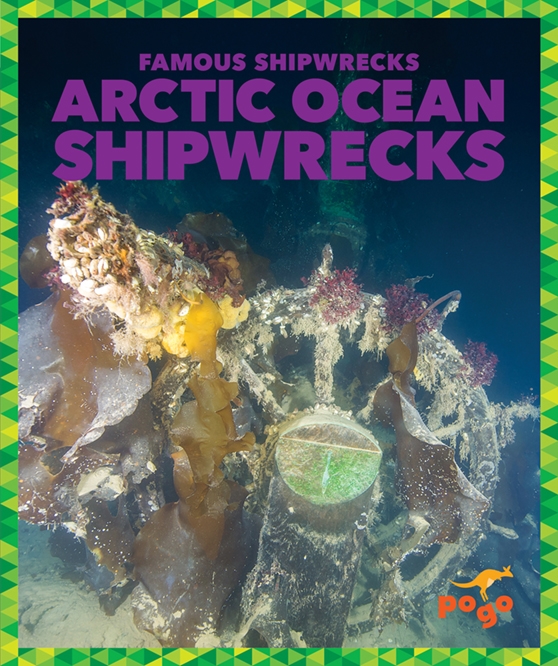
From the series Famous Shipwrecks
Arctic Ocean Shipwrecks
Reading Level Grade 2Interest Level Grades 2 – 5Copyright 2024
Reviewed
From the series Famous Shipwrecks
Reading Level Grade 2Interest Level Grades 2 – 5Copyright 2024
ReviewedIn this book, early fluent readers will learn about famous shipwrecks in the Arctic Ocean, including HMS Erebus, HMS Terror, and SS Terra Nova. Learn when, where, and how the ships sank, when they were discovered, and any artifacts that were recovered. Real-life photographs and carefully leveled text will engage young readers as they learn more about the history behind each shipwreck.
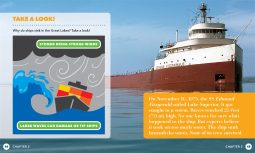
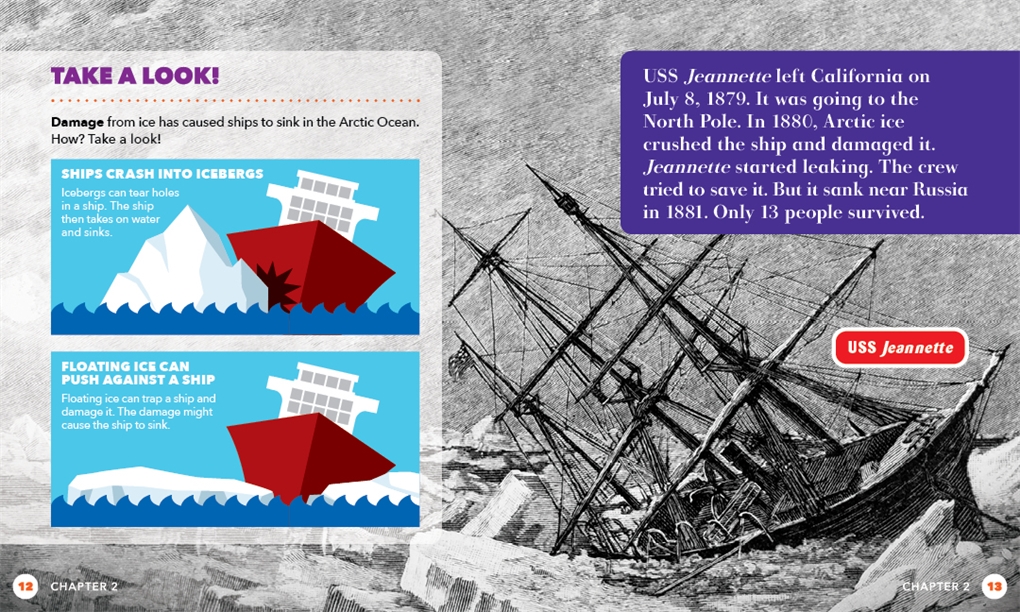
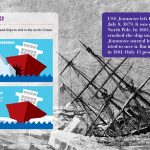
A Take a Look! infographic offers more information about how ships can sink in Arctic ice, sidebars present interesting, supplementary information, a map shows where each shipwreck was discovered, and a Quick Facts section gives a recap of the book. Children can learn more about shipwrecks using our safe search engine that provides relevant, age-appropriate websites. Famous Arctic Ocean Shipwrecks also features reading tips for teachers and parents, a table of contents, a glossary, and an index.
Arctic Ocean Shipwrecks is part of Jump!’s Famous Shipwrecks series.
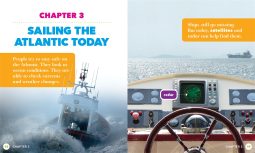
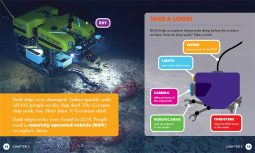
After an opening spread that includes a simple map and information about the ocean, each book briefly describes four or five historical shipwrecks in chronological order. Readers learn why each ship was traveling, why it sunk, and in most cases, the number of survivors and fatalities. Survivor/fatality data is not included for the Maldive Victory in Indian Ocean Shipwrecks, the USS Monitor in Atlantic Ocean Shipwrecks, and the Ironton in Great Lakes Shipwrecks. Information about how and when the wrecks were discovered is also featured. A map in the back matter identifies shipwreck locations within the larger region. Most ship histories are described in a couple paragraphs on a single spread, but two spreads are used for more compelling examples, such as Ernest Shackleton’s Endurance in Southern Ocean Shipwrecks and the Titanic in Atlantic Ocean Shipwrecks. Closing chapters look at current conditions for ships, often mentioning technological tools like GPS and Remotely Operated Vehicles. Historical and modern photographs, along with occasional diagrams provide useful visual support. VERDICT Well-rounded and appealing shipwreck profiles presented at an introductory level.–Steven Engelfried
School Library Journal