From the series Forest Feelings
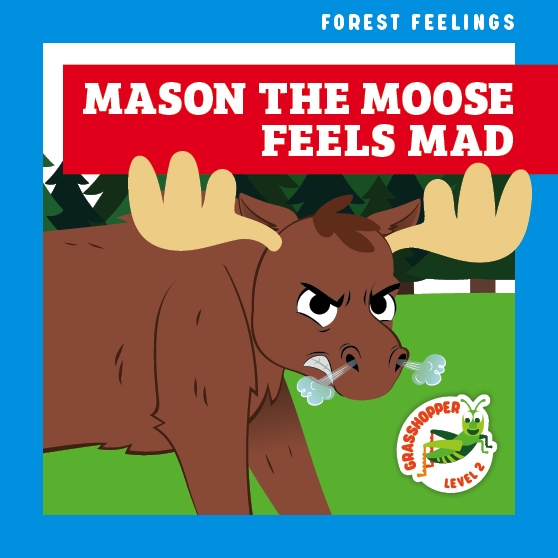
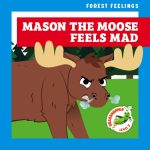
Mason the Moose Feels Mad
Reading Level Grade 1Interest Level Grades 1 – 2Copyright 2024
Reviewed
From the series Forest Feelings
Reading Level Grade 1Interest Level Grades 1 – 2Copyright 2024
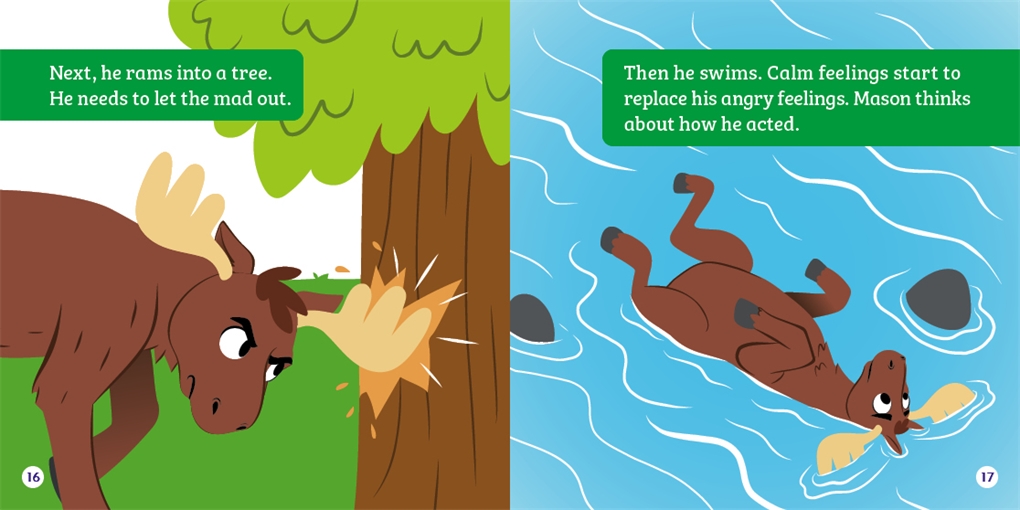
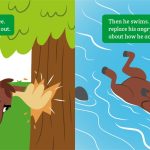
ReviewedMason the moose gets mad when his brother steals his turn to play seeker in a forest game of hide-and-seek. Follow along as Mason experiences anger, acts out physically, learns to cope with his emotions, and eventually rejoins the game. With a focus on social and emotional learning (SEL), tightly controlled vocabulary, and bright, fun illustrations to match the storyline and enhance empathy, children will learn about anger and its associated thoughts, bodily sensations, and reactions in a supportive educational fiction reading experience.
Children can learn more about anger and other emotions using Fact Surfer, our safe online search engine that provides relevant, age-appropriate websites. This book also features reading tips for teachers and parents, a picture glossary, index, table of contents, and comprehensive visual quiz.
Grasshopper Books offers simple, fun fiction for emerging readers. Mason the Moose Feels Mad is part of Jump!’s Forest Feelings series.
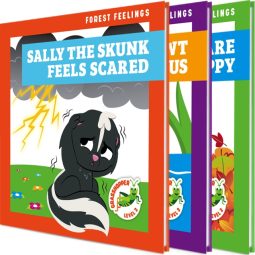
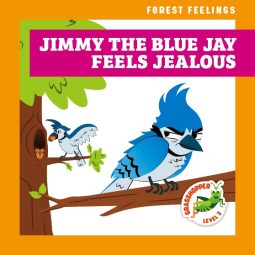
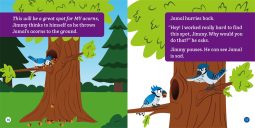
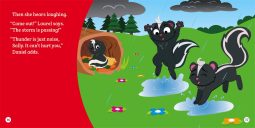
Short, illustrated stories introduce animal characters struggling with emotions in these leveled readers. They work through their problems, though the conclusions usually lack clear, practical guidance. Sally the Skunk is scared of an approaching thunderstorm. Her friend explains that “thunder is just noise” and when the storm is done, “Sally doesn’t feel afraid anymore.” Jimmy the Blue Jay’s jealousy stems from his lack of a storage space for nuts; when he finds a spot, his jealousy goes away. Mason the Moose, however, does learn that letting his anger out is an effective strategy. Generic illustrations depict the animals and their actions clearly, but without injecting much personality into the characters. A couple of the titles include other animals from the series as supporting characters. Front matter features tips for parents and educators on how to read this book. Back matter includes review questions, a picture glossary, and an index. VERDICT These could work as conversation starters in a classroom library, but there are more engaging books for exploring feelings with kids.–Steven Engelfried
School Library Journal